About High-Temperature Green Poly Die-Cut Masking Tape for Industrial Surface Protection and Precision Masking
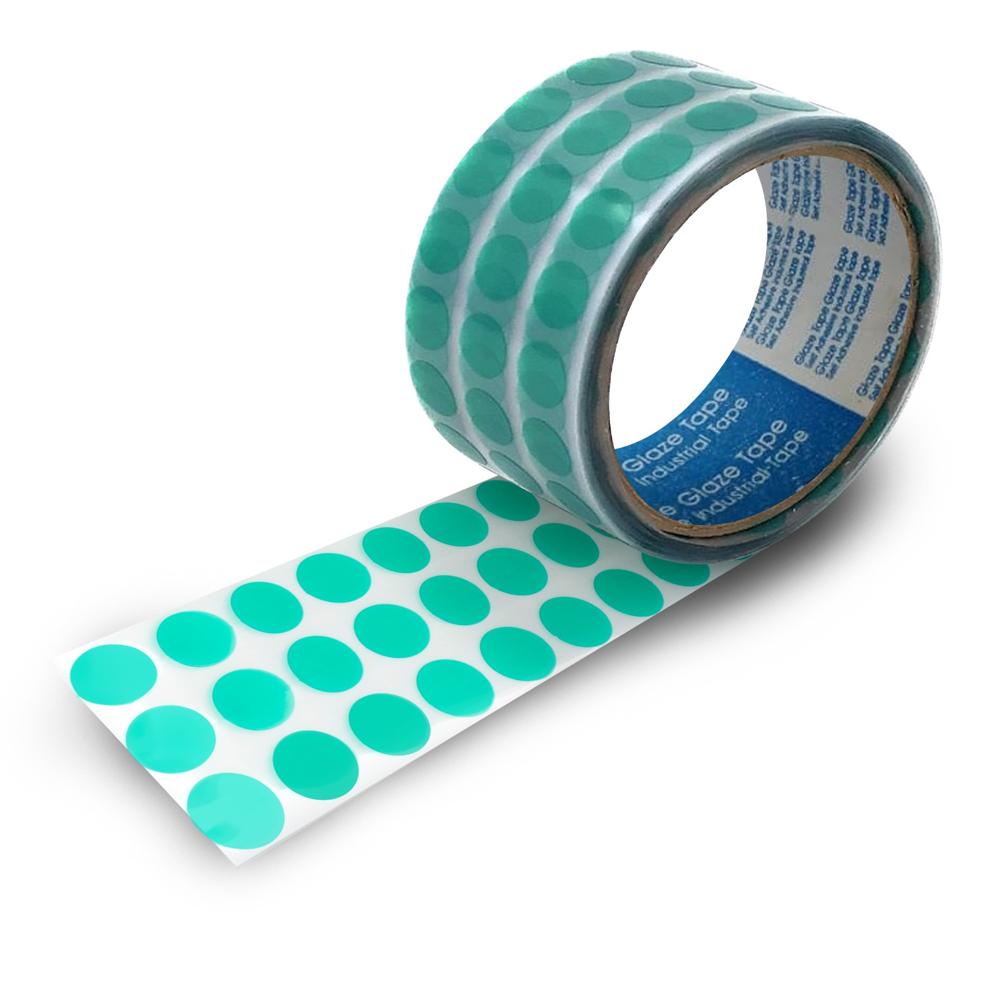
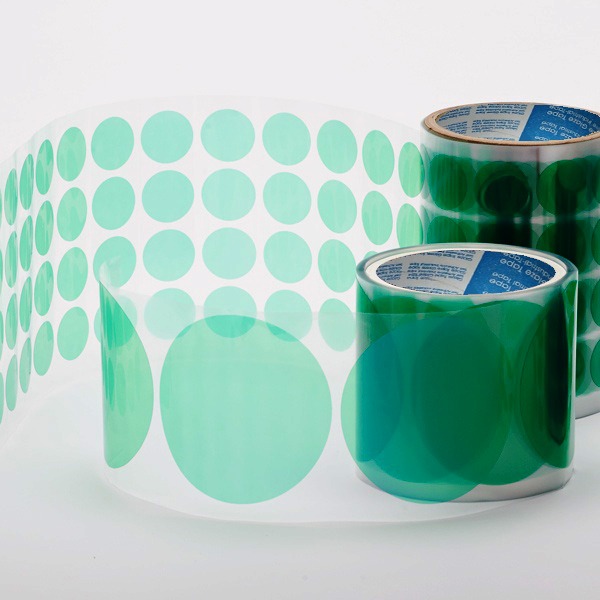
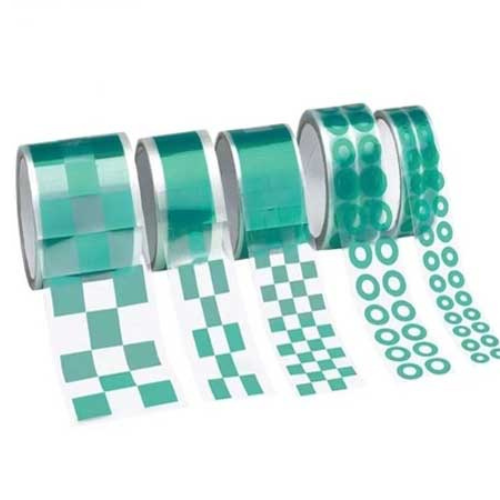
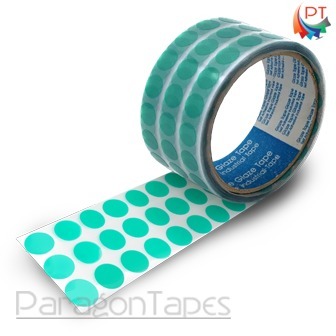
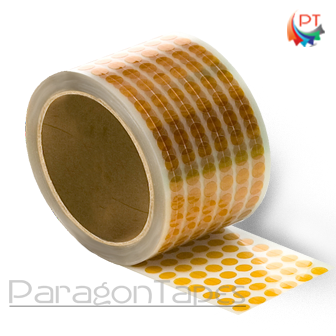
Green Poly Die Cut Masking Tape is a high-performance industrial masking solution designed for precision protection during painting, coating, powder coating, anodizing, thermal spray, and surface finishing processes. Manufactured from durable green polyethylene film with a pressure-sensitive adhesive, this tape offers excellent conformability, strong adhesion, and clean, residue-free removal even after exposure to heat, chemicals, and abrasion. The die-cut format ensures accurate application, reduces material waste, and improves process efficiency in demanding industrial environments.
Key Features & Benefits:
-
Made from tough green polyethylene (poly) film
-
Die-cut for precise fit and faster application
-
Strong adhesion with clean, residue-free removal
-
Excellent resistance to heat, moisture, and chemicals
-
Maintains sharp paint edges and surface integrity
-
Suitable for complex shapes and irregular surfaces
Applications:
-
Paint and powder coating masking
-
Thermal spray and plasma spray masking
-
Anodizing and electroplating processes
-
Automotive, aerospace, and metal fabrication
-
Industrial surface protection and finishing
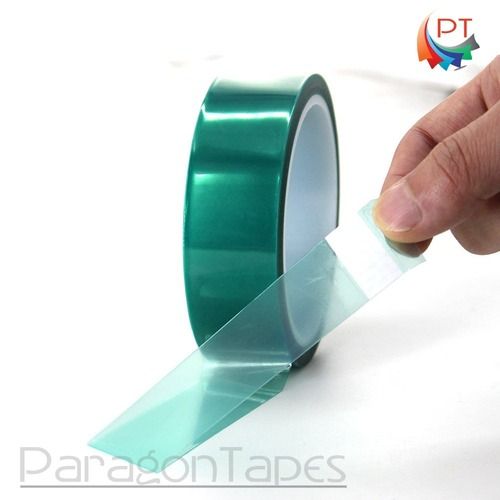
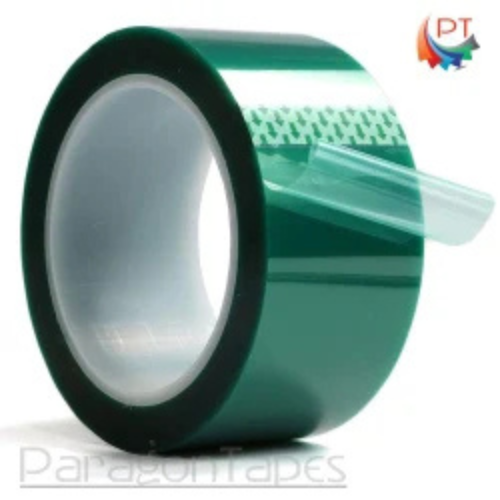
Reliable High-Temperature Masking SolutionThis green PET masking tape is crafted for applications that demand robust heat resistance and precise masking, such as anodizing. Its silicone adhesive delivers stable bonding even in challenging industrial conditions where good adhesion and easy removal are crucial. The glossy finish and sturdy polyester construction make it easy to handle and apply without tearing or residue.
Precision and Durability in Every RollEach 50-meter roll is designed for consistency and longevity. With a 50-micron thickness and high tensile strength, the tape protects surfaces during industrial processes and withstands heavy handling. Its strong but flexible nature allows it to cover both flat and contoured surfaces effortlessly, ensuring crisp paint lines and preventing seepage.
FAQ's of High-Temperature Green Poly Die-Cut Masking Tape for Industrial Surface Protection and Precision Masking:
Q: How is the High-Temperature Green Poly Die-Cut Masking Tape used in anodizing and industrial masking?
A: This tape is typically applied to areas where surface protection is required during processes such as anodizing, painting, or powder coating. Its water-resistance and strong silicone adhesive ensure precision masking, crisp edges, and clean removal after processing.
Q: What makes the tape suitable for high-temperature applications?
A: Made from polyester (PET) film and silicone adhesive, it can withstand exposure to elevated temperatures often encountered in industrial operations, ensuring reliable performance without deforming or losing adhesion.
Q: Where can this green masking tape be effectively applied?
A: It is ideal for manufacturing facilities, electronics assembly lines, automotive workshops, and any setting that requires surface protection during high-temperature processes. The robust adhesive and water resistance make it versatile for various materials and environments.
Q: What are the benefits of the single-sided PET construction with silicone adhesive?
A: The single-sided PET design ensures easy application and removal, while the silicone adhesive provides excellent peel strength and leaves no residue, delivering a superior masking effect every time.
Q: When should this tape be applied and how long can it be stored before use?
A: The tape should be applied to clean, dry surfaces prior to industrial processes like painting or anodizing. It maintains optimal properties for up to two years when stored in cool, dry conditions, ensuring shelf life and consistent performance.
Q: How does the product's thickness and elongation contribute to its performance?
A: With a thickness of 50 micrometers and 40% elongation, the tape conforms smoothly to various surfaces, protecting against leaks and damage while also accommodating slight surface irregularities without tearing.
 Chickballapur 562102, Karnataka, India GST No. : 29AATFP6724F1ZP
 Call Us:- 08071779502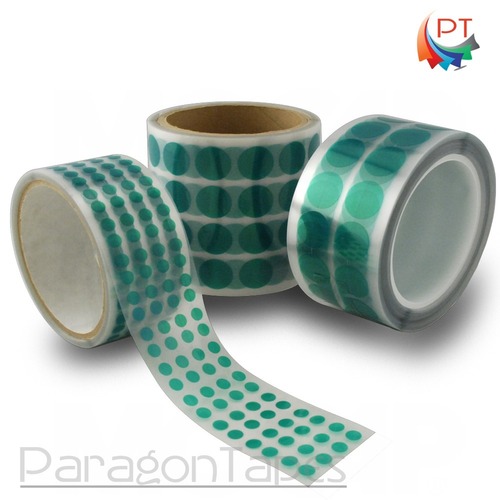










 Send Inquiry

 Send Inquiry


 Send Inquiry
 Send SMS


